Journal
How a Song Begins
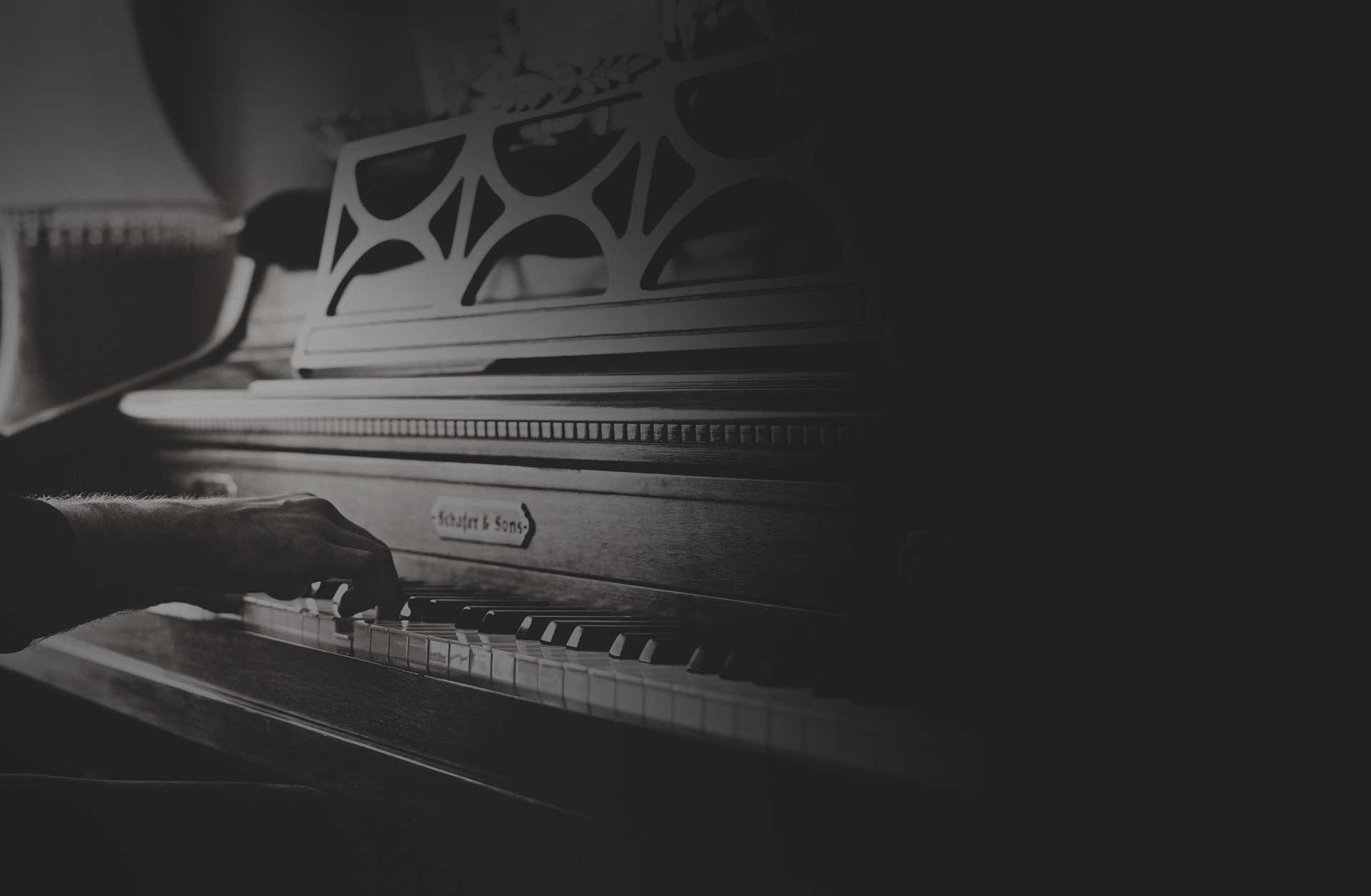
A song rarely arrives as a finished thing. More often, it enters the room quietly: a chord, a mistake, a silence that keeps asking to be heard.

A song rarely arrives all at once. Sometimes it begins with a sound found by chance, a simple chord movement, or a melody that stays in your head while you are doing something else. Other times it begins with an absence: the feeling that something is missing, and that the missing part needs to become music.
The First Sound
The first moment is often the most fragile one. There is no finished song yet, no structure, no ending. There is only a small idea, maybe imperfect, but strong enough to ask for attention. In that phase, listening matters more than deciding.
A sound can suggest a rhythm. One chord can change the color of everything. A pause can say more than a full sentence. The beginning is not always dramatic. Sometimes it is almost invisible, but it changes the air in the room.
The song begins when an experiment stops being only an experiment and starts asking for a direction.
Giving Shape to the Idea
After the first impulse comes the more concrete work: arranging, choosing, removing. Every element has to find its place. A drum part that is too full can crush the atmosphere. A synth that is too present can take space away from the melody. Even a beautiful part has to be left behind if it does not serve the song.
This may be the hardest part: understanding what to keep. Production is not only about adding layers. It is also about recognizing when the track breathes better with fewer elements. Simplicity, when it is right, is not emptiness. It is precision.
Listening Until It Becomes Clear
A song needs to be listened to many times, in different moments. In the studio it may feel right, then in headphones it changes. The next day it may sound too slow, too crowded, too bright, or too dark. That is normal. Every listen reveals something that was hidden before.
Some doubts help, while others only block the process. Learning the difference is part of the work. Some details need to be fixed. Others are part of the character of the piece. Not everything has to be perfect in a technical sense. It has to feel true in a musical sense.
Letting It Go
There is always a moment when the song no longer belongs only to the person who created it. Releasing it means letting it leave the room and accepting that it will be heard in different places, moods, and days. It sounds simple, but it is not always easy.
Before release, there is one final pass: checking the sound, the title, the order of the parts, and the overall intention. Then you have to stop. A song can always be changed, but it does not always need to be changed. At a certain point, you have to trust the path that brought it there.
Maybe that is what it means for a song to be born: to start from a private intuition and become something that can live outside the person who wrote it.
Continue Listening
Continue Reading
Journal Note
Sound Design and Emotional Honesty
Journal Note
From Image to Sound

Journal Note